
Electric safety for kids is a critical yet often overlooked aspect of home life. Teaching young children about electricity can prevent accidents and foster a deeper understanding of our modern world. However, the complexity of the subject can make it challenging for parents and caregivers to effectively communicate these dangers. Tampa Bay, like many urban areas, has strict regulations, like the Florida Building Code and National Electrical Code, ensuring safe residential electrical repairs.
This article aims to empower parents and educators with practical strategies and resources to introduce electricity safety to children in a way that is both engaging and accessible. We'll explore community support, educational tools, and sustainable practices, offering a practical guide to enhancing electric safety for kids.
- Understanding Electric Safety for Young Minds
- Teaching Basic Electrical Concepts at Home
- Interactive Learning: Hands-on Electricity Experiments
- Identifying Safe and Hazardous Electrical Situations
- The Role of Residential Electrical Repairs in Education
- Tampa Bay FL: Local Resources for Electric Safety
- Encouraging Safe Practices: A Continuous Learning Journey
Understanding Electric Safety for Young Minds
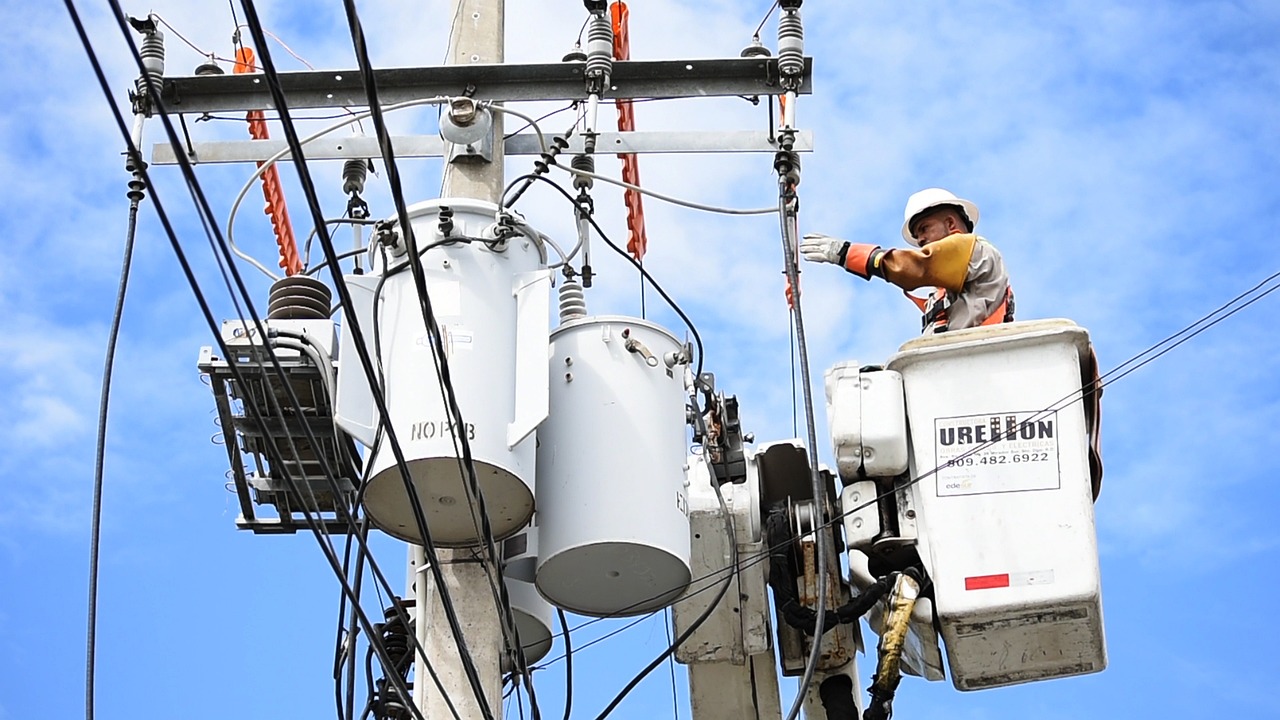
Teaching electric safety to young children involves a combination of education and practical demonstrations. In Tampa Bay, where residential electrical repairs are a common service, it's crucial to remember that kids are naturally curious about electricity. This curiosity, while healthy, can lead to accidents if not properly managed. A child might stick a finger in an outlet or climb onto a ladder near a power line, assuming it's safe. The key is to demystify electricity, making it an understandable yet respected force in their daily lives.
To achieve this, start with simple, age-appropriate explanations. For pre-schoolers, focus on the concept of "power" and how it's like a magic force that lights up our homes and powers our toys. Show them pictures of electrical outlets, switches, and even the wires hidden behind walls, explaining that these are the paths electricity takes to reach their favorite devices. For older children, examine deeper into the science behind electricity, introducing terms like voltage, current, and resistance. Hands-on activities like simple circuit building with safe, kid-friendly tools can make learning engaging and memorable.
When teaching electric safety, it's also vital to emphasize the importance of safety features designed into modern homes and electrical systems. Explain how circuit breakers and fuses work to protect against overloads, and show them how to identify and report potential hazards like frayed wires or exposed electrical components. Trusted and certified electricians in Tampa Bay, often sought after for their expertise in residential electrical repairs, can play a key role in these educational efforts. They can offer demonstrations and practical lessons that reinforce the learning experience. Customer reviews on electrical contractors in Tampa can provide real-world insights into the importance of hiring qualified professionals for any electrical work.
Eco-friendly lighting for homes in Tampa Bay is another aspect that can be incorporated into these lessons. Discussing the benefits of energy-efficient light bulbs and smart lighting systems can help children understand the role of electricity in sustainability. By integrating these educational elements, parents and caregivers can empower young minds to make safe choices around electricity, ensuring a safer home environment and fostering a deeper appreciation for the technology that shapes our modern lives.
Teaching Basic Electrical Concepts at Home
Teaching basic electrical concepts at home is a crucial step in promoting electric safety for kids in Tampa Bay, Florida. As a new homeowner, you play a vital role in shaping your children's understanding of electricity and how it impacts our daily lives. This hands-on approach not only educates but empowers them to make safer choices around the house. Start with simple, age-appropriate explanations about the role of electricity in our homes, comparing it to water or air we breathe, making it relatable.
Demonstrate how circuits work by setting up a small model with a battery, lightbulb, and wire. Show them how electricity flows and lights up the bulb, emphasizing the importance of proper grounding systems in Florida to prevent accidents. Explain that just as water needs pipes to flow, electricity needs wires to reach our appliances and devices. This visual aid can make abstract concepts tangible and memorable. Encourage curiosity by answering their questions honestly, even if they seem basic. Many residential electrical issues in Tampa Bay can be avoided by understanding and respecting the power we use.
Beyond theory, involve them in safe electrical repairs around the house, if appropriate for their age. Teach them to recognize potential hazards like frayed wires or loose outlets. Show them how to check for proper grounding and safe disconnection of devices during troubleshooting. With the latest technology in electrical repairs, such as smart home devices and advanced safety features, you can even teach them about the evolving landscape of electric safety. This practical experience, combined with knowledge of local regulations like the Florida Building Code and National Electrical Code, will prepare them to become responsible homeowners and contribute to a safer community.
Interactive Learning: Hands-on Electricity Experiments

Teaching young children about electricity can be a challenging yet rewarding task. Interactive learning methods, such as hands-on experiments, offer a dynamic way to engage kids in understanding the fundamentals of electricity and safety. In Tampa Bay, FL, where residential electrical repairs are a common service, fostering a safe environment for children to explore these concepts is crucial.
One effective approach is to create simple, supervised experiments that demonstrate electrical principles. A DIY project involving a battery, a lightbulb, and a switch can show children how electricity powers lights. This hands-on experience allows them to witness first-hand the effects of completing and interrupting an electrical circuit. By combining such activities with age-appropriate discussions on safety, children can learn to identify potential residential electrical issues and understand when to seek professional help, like emergency electricity solutions in FL.
Child safety education about electricity should not be limited to experiments. Incorporating real-world examples, such as discussing the importance of circuit breakers and fuses, can help children grasp the concept of overloading and how it leads to electrical fires. Encouraging open dialogue and asking thought-provoking questions during these interactive sessions can deepen their understanding. Asking, "What would happen if we connected too many lights to one circuit?" not only stimulates learning but also prepares them to recognize and troubleshoot residential electrical problems they might encounter.
Identifying Safe and Hazardous Electrical Situations
Teaching children about electricity is an essential part of keeping them safe in their homes, especially in a city like Tampa Bay where many families own or rent well-wired residences. For identifying safe and hazardous electrical situations, it's crucial to empower young minds with knowledge. A same-day electrical repair company in Tampa Bay, for instance, often encounters situations where simple education could have prevented a costly and potentially dangerous incident.
One of the first steps in teaching children about electricity is to familiarize them with common household electrical components. Show them outlets, switches, and even the electric panel (often in a basement or utility room). Explain that these are all part of the intricate network that brings power to our homes. It's also vital to discuss the importance of safety around these elements. Point out that touching a live wire or playing with electrical equipment can be extremely harmful. Many local utilities and trade associations in Tampa Bay offer educational resources and workshops tailored to parents and children, covering topics like these.
Another key aspect to emphasize is the environmental impact of energy use, especially when considering the growing popularity of electric vehicles. Children should understand that while electricity powers many aspects of our modern lives, it's crucial to use it wisely. Eco-friendly lighting options, like LED bulbs, can significantly reduce energy consumption and associated costs. By teaching children about energy-efficient practices, you're not just ensuring their safety around electricity; you're also fostering a sense of environmental responsibility. This knowledge can extend to discussions about the benefits of solar panels and other renewable energy sources, which are becoming increasingly accessible in Tampa Bay communities.
The Role of Residential Electrical Repairs in Education

Teaching young children about electricity is a crucial part of their overall safety education, and it's a topic that often intersects with the services provided by professionals like those involved in residential electrical repairs in Tampa Bay, Florida. These repairs not only fix issues but also serve as powerful teaching tools, especially for demonstrating the importance of safety measures around the home. Understanding the basic concepts of electricity can empower children to be more cautious and aware of potential hazards.
When conducting residential electrical repairs, Tampa Bay professionals can take an active role in educating young residents. They can point out the various components of a home's electrical system, explaining how power flows from the utility company through the meter to the individual outlets and switches. This hands-on approach allows children to visualize the system, making abstract concepts more tangible. A simple demonstration of how a circuit works, using a basic lightbulb and switch, can illustrate the basic principles of electricity in action. These experts can emphasize the importance of grounding systems in Florida, a critical safety measure that ensures excess electrical current has a safe path to ground, protecting against electric shock.
The discussion can also extend to the environmental impact of energy usage and the benefits of eco-friendly lighting solutions. By introducing the concept of energy efficiency, children can learn about the cost savings and environmental benefits associated with upgrading to LED lighting, for instance. This educational aspect of residential electrical repairs Tampa Bay FL residents trust can inspire a sense of responsibility and curiosity about energy consumption, encouraging future environmentally conscious choices. Discussing the potential risks of electrical work and how professional, licensed electricians ensure safety can reinforce the value of proper licensing and insurance, as regulated by the Florida Building Code and Local Licensing Boards, in protecting both homes and families.
Tampa Bay FL: Local Resources for Electric Safety

Teaching young children about electricity in Tampa Bay, FL, is a crucial aspect of their safety, especially in a city where reliable home electrical repairs are readily available and crucial. The Tampa Bay area boasts numerous resources dedicated to helping families navigate the complexities of electricity. Local utility companies and community organizations offer educational programs and workshops tailored to children. These initiatives often include interactive demonstrations and hands-on activities to make learning about electrical safety engaging and memorable.
One of the first steps in teaching children about electric safety is understanding the fundamental rules and regulations that govern it. The Florida Building Code and the National Electrical Code provide a comprehensive framework for safe electrical practices. Parents and caregivers can familiarize themselves with these codes, ensuring they can discuss the dos and don'ts with their children. Explaining the importance of not touching power lines or exposed wires, which is a common residential electrical issue in the region, can help prevent accidents. The Local Licensing Board matters in enforcing these codes, ensuring that reliable electrical services in Tampa Bay adhere to the highest safety standards.
When facing electrical emergencies or identifying residential electrical issues, Tampa Bay residents have access to 24/7 emergency services. These services not only provide quick responses but also offer valuable insights into troubleshooting common residential electrical problems. A local electrical inspector's day involves inspecting homes for potential hazards, ensuring circuit breakers are functioning correctly, and checking for outdated wiring. By understanding the work of professionals like these, parents can guide their children to recognize potential dangers and report them promptly. Engaging with local utilities and community support programs can provide families with affordable pricing plans for electrical repairs and access to educational resources, fostering a culture of safety and awareness.
Encouraging Safe Practices: A Continuous Learning Journey
Teaching young children about electricity is a continuous journey that requires patience, consistency, and a thoughtful approach. Safety should be the top priority, especially in a city like Tampa Bay where a same-day electrical repair company is often a phone call away. While professional residential electrical repairs Tampa Bay FL services are readily available, empowering kids with basic knowledge can prevent accidents and foster a deeper understanding of this essential part of our lives.
Start by explaining that electricity is a powerful force that helps power our homes, schools, and even toys. Use simple analogies to illustrate its presence in everyday life, such as comparing it to water flowing through pipes. Show them how switches control the flow of electricity, just like valves control water. This hands-on approach can make abstract concepts more tangible. Encourage curiosity by answering their questions honestly and age-appropriately, and never fear to say "I don't know"-it's an opportunity to learn together.
As they grow, introduce the concept of safety around electricity. Teach them to never touch power lines or electrical boxes, and explain that these are off-limits areas. Incorporate the latest technology in electrical repairs into your discussions, highlighting how advancements in tools and knowledge make fixing issues safer and more efficient. Modern electricians use advanced equipment to locate problems without disturbing walls or ceilings, minimizing disruptions and potential hazards. This helps kids understand that while electricity is powerful, it's also manageable when handled correctly.
Involve them in simple tasks like changing light bulbs or unplugging devices when not in use, reinforcing safe practices in a practical way. For older children, discuss the importance of regular maintenance and energy-efficient upgrades, aligning with local incentives and government programs. Solar panel installation near me could be a local initiative that demonstrates clean energy adoption. By engaging kids in these conversations, you're not just teaching them about electricity; you're nurturing a sense of responsibility and awareness that will serve them well as they grow into responsible homeowners.
Frequently Asked Questions About Electric Safety for Kids: Teaching Young Children About Electricity
What is the best age to start teaching children about electricity safety?
While every child is unique, most experts recommend introducing basic electricity concepts to children around 7 or 8 years old. By this age, they have developed enough abstract reasoning and fine motor skills to grasp simple safety rules and understand the fundamentals of electricity. Starting early ensures that good habits are formed and that children feel empowered to ask questions and stay safe around electrical devices.
How can I make electricity education engaging for young children?
Make it hands-on and interactive! Use age-appropriate demonstrations, like showing them how electricity flows through a circuit with simple models or toys. Interactive games and quizzes can also be very effective. You could create a treasure hunt where each clue is tied to an electricity safety fact, making learning fun and memorable. Involving children in simple household tasks that require electrical safety precautions, like turning off lights or unplugging devices, can also drive home the importance of these rules.
What are some common misconceptions about electricity that children often have?
Children may think that electricity is invisible or that it only exists in certain places. They might also believe that touching a live wire will cause a spark or that electricity is something that can be seen as a bright light. It's crucial to clarify that electricity is present even when not visible and that it can be extremely dangerous, emphasizing the importance of staying away from power lines, outlets, and unknown objects that might conduct electricity.
How can I ensure my home is safe for young children regarding electricity?
Regularly inspect your home for potential electrical hazards. Cover or replace damaged electrical outlets, use outlet covers for children's rooms, and ensure all electrical work is done by a licensed electrician. Keep valuable electrical items like computers and TVs out of children's reach. Educate your children about safe practices, like not playing with power cords or climbing on furniture near outlets, and rewarding them for reporting suspicious electrical activity.
What should I do if my child touches a live wire or experiences an electrical shock?
First, stay calm and assess the situation. If the child is unconscious or in distress, call 911 immediately. In all cases, cut off the power at the main switch if possible and rinse the child's skin with cool water for at least 15 minutes. After seeking medical attention, check for any burn marks or injuries and ensure the child understands the importance of staying away from electricity in the future.
Can I teach my child about electrical safety through storytelling?
Absolutely! Storytelling is a powerful tool for teaching. Create stories that feature characters facing electricity-related challenges and safely resolving them. You can also use fairy tales or myths and adapt them to teach valuable electricity safety lessons. This approach not only entertains but also helps children remember safety practices by associating them with familiar narratives.
As parents, teaching our children about electricity is crucial for their safety, especially in today's world where electrical systems are integral to our daily lives. This article has provided a practical guide to electric safety for kids, offering practical insights that empower both parents and educators. By understanding the fundamentals of electrical concepts, we can create a safe environment at home and foster a love for learning.
The key takeaways are clear: engaging in hands-on activities, such as simple electricity experiments, can make learning fun and memorable. Being aware of potential hazards and knowing when to involve professionals, like those from residential electrical repairs Tampa Bay FL, can prevent accidents. The Tampa Bay community is fortunate to have accessible resources and support, ensuring that parents and educators can navigate electric safety effectively.
Incorporating these practices into our routines will not only teach our children about electricity but also instill a sense of responsibility and respect for this powerful force. Encouraging a continuous learning journey, where safe practices are regularly reinforced, will benefit our children's understanding of electric safety for years to come.
Teaching electric safety to kids in Tampa Bay involves a mix of education and demonstrations. Start with simple explanations about power and circuits, using visual aids like circuit models. Involve them in safe electrical repairs, teaching hazards and safety features like grounding and circuit breakers. Discuss energy efficiency and eco-friendly lighting, linking it to sustainability. Utilize local resources, from utility workshops to licensed professionals, ensuring a comprehensive, engaging, and age-appropriate learning experience.